

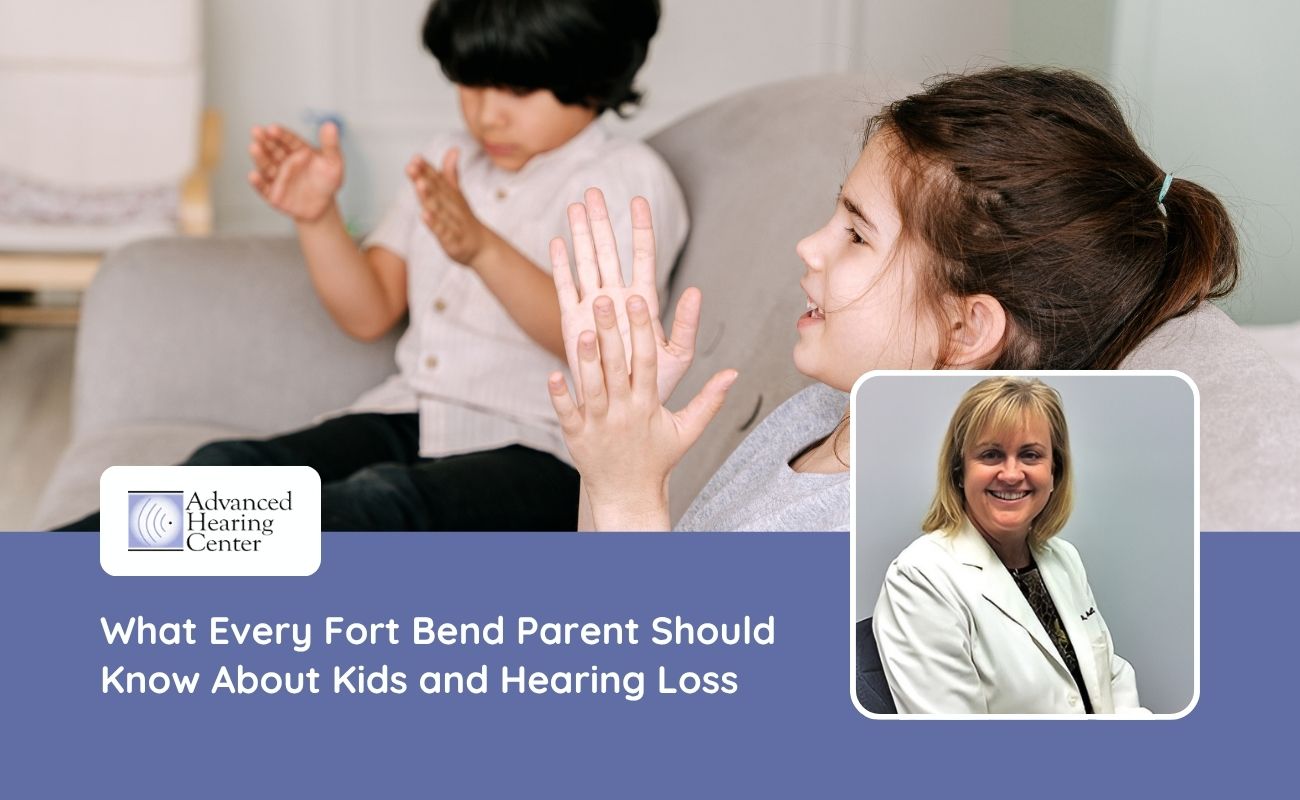
Most parents know to watch for ear infections and track milestones like first words and first steps. Hearing loss? It's a different story. It doesn't always announce itself, and that's exactly what makes it easy to miss until it starts affecting how your child learns and communicates.
Here's what you need to know.
About 1 to 3 out of every 1,000 newborns has some degree of hearing loss, making it one of the most common conditions babies are born with. And that number grows as kids get older. Loud environments, repeated ear infections, and other factors can chip away at hearing over time.
Here's the tricky part: children don't know what they're missing. They don't have a baseline to compare to. So instead of telling you something sounds off, your child might just seem distracted, slow to talk, or constantly struggling to follow directions. Those are the things parents tend to chalk up to personality or just being a kid.
Hearing loss isn't always total. Many children have mild or moderate loss that flies under the radar for months, sometimes years. Watch for patterns like these:
One of these alone might not mean much. But if several are showing up together, don't wait. A pediatric hearing evaluation will give you clear answers and peace of mind either way.
Fort Bend ISD and other local schools run routine hearing screenings, but those are simple pass/fail tests. They're built to catch significant problems, not the subtler hearing loss that still affects a child's ability to learn in a noisy classroom.
A comprehensive hearing check at an audiology office is a different experience entirely. We test across a wide range of frequencies, measure how well your child understands speech, and identify the type and degree of any hearing loss present. For kids starting a new grade or already receiving accommodations at school, adding a thorough hearing screening in Fort Bend to your summer checklist is a smart call. It takes less time than a dentist appointment, and the information it gives you is genuinely useful.
If your newborn didn't pass their hospital hearing screening, or if the results came back inconclusive, the next step is an ABR (Auditory Brainstem Response) test. It sounds technical, but the concept is simple: we measure how your baby's auditory nerve and brainstem respond to sound. Your baby doesn't have to do anything. No sedation required.
Timing really does matter here. Research consistently shows that children identified with hearing loss before six months of age develop significantly stronger language skills than those identified later. That window is real, and it closes quickly. If your pediatrician has already recommended a follow-up ABR, don't put it off; we can see your newborn and walk you through everything clearly.
Naturally, kids aren't always cooperative patients. We know that. Our team uses age-appropriate techniques to get accurate results without making the experience feel clinical or stressful. Toddlers engage in play-based activities. Younger children respond to visual cues. Older kids take a more standard hearing test. We meet your child where they are.
After testing, we explain the results in plain language. If hearing loss is present, we talk through your options and next steps. If everything looks normal, you leave knowing your child's hearing is fine. Either way, you're not leaving with unanswered questions.
Our audiologists, Dr. Terry Davis Snook and Dr. Amy Woodall, see patients of all ages, from newborns through adults, and bring years of experience to pediatric hearing care. Whether you're following up on a failed newborn screening, getting ready for a new school year, or simply have a feeling something's off, we're here to help.
Call us at (281) 491-0200 or reach out online to schedule an appointment at our Sugar Land clinic.
Catching hearing loss early genuinely changes outcomes. The sooner you know, the more you can do.
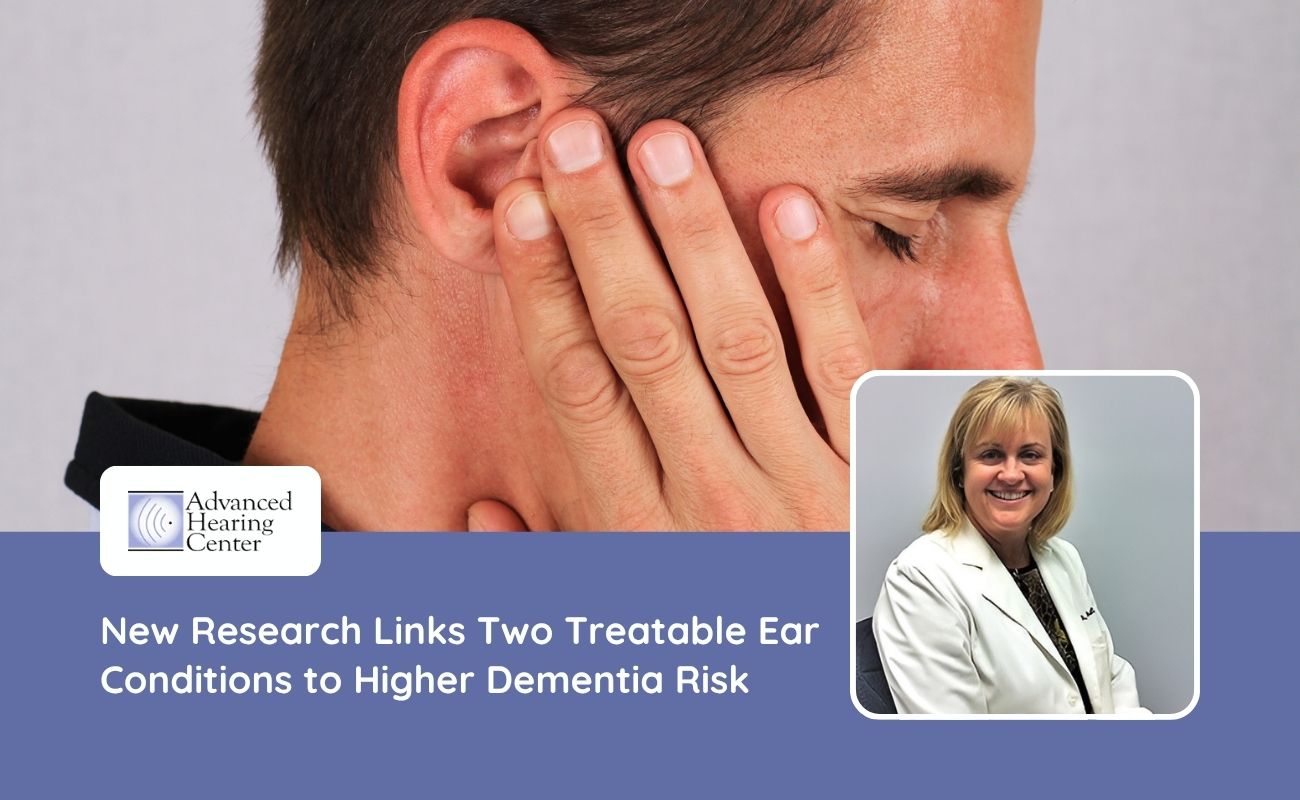
New 2026 research links perforated eardrums and cholesteatoma to significantly higher dementia odds, with surgical treatment appearing to reduce that association.
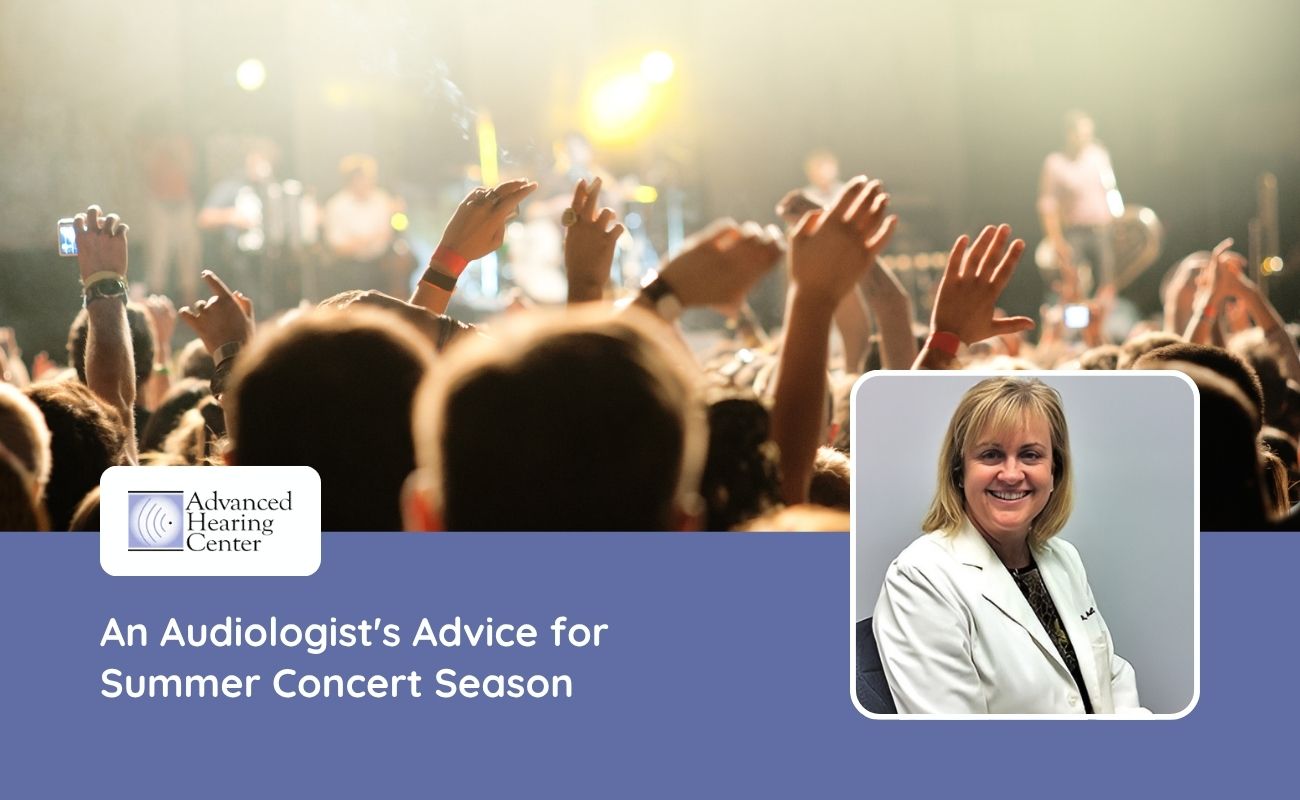
Custom high-fidelity earplugs protect concert-goers from irreversible noise-induced hearing loss while preserving full, clear sound quality throughout the show.
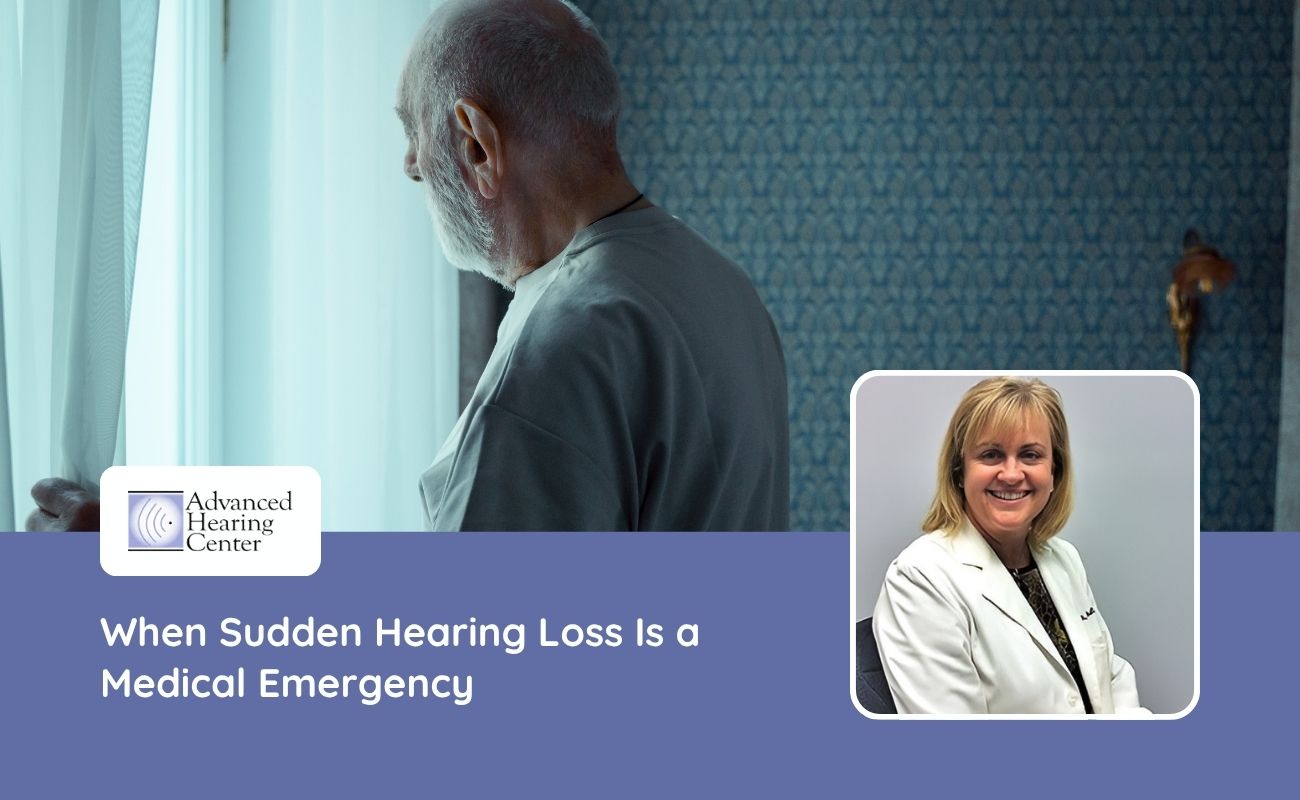
Sudden hearing loss in one ear is a medical emergency requiring immediate treatment, as the recovery window is only days, not weeks.


