

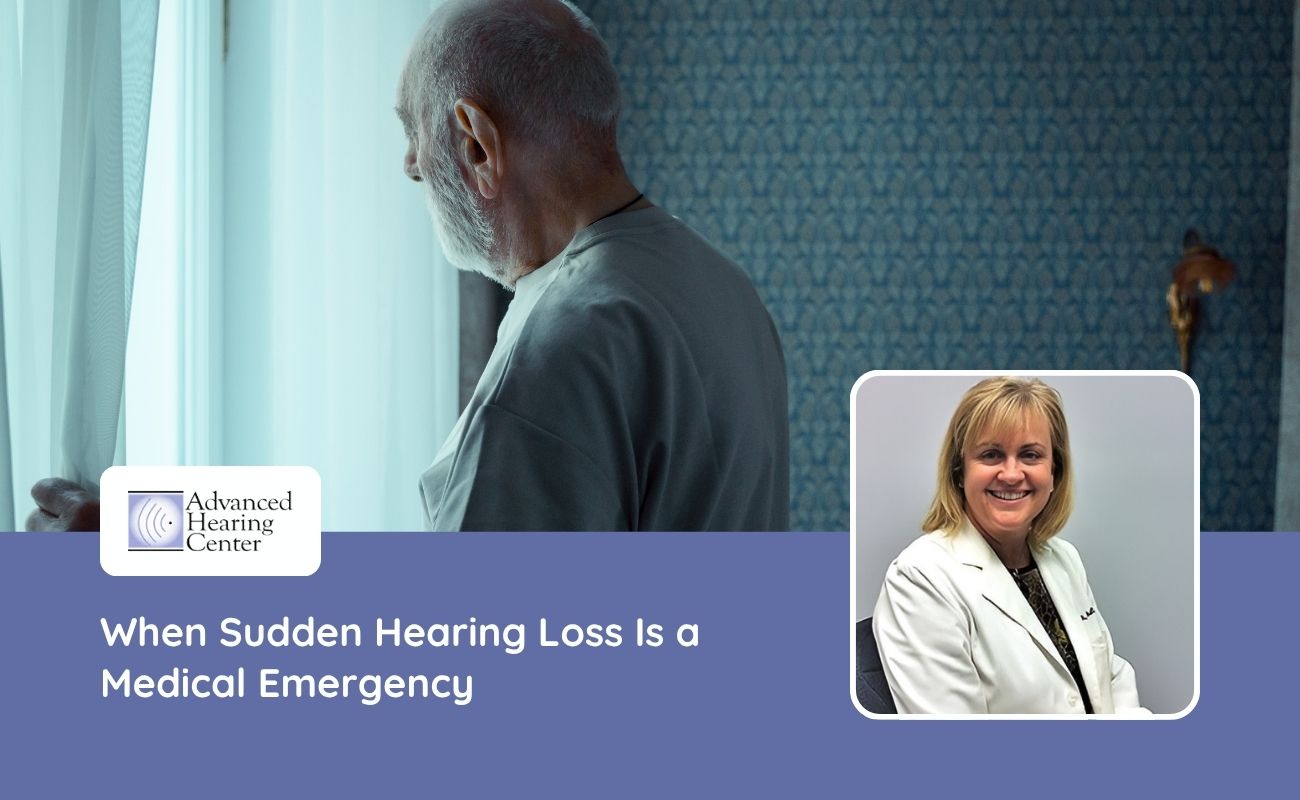
You wake up and one ear feels plugged. Or a voice on the phone sounds muffled and far away on one side. Maybe there's a sharp ringing where there wasn't one the day before. Most people assume it's wax, a lingering cold, or water trapped after a shower — and they wait it out. That wait can cost you your hearing.
Sudden hearing loss is one of the few hearing-related events that needs same-week medical attention. Here's what it is, how to recognize it, and why the clock matters so much.
The medical term is sudden sensorineural hearing loss, often shortened to SSHL. It refers to a rapid drop in hearing — usually in one ear — that comes on over a few hours to about three days. Clinicians define it as a loss of at least 30 decibels across several frequencies, though you don't need a number to know something's wrong. You just know the ear isn't working the way it did.
It often shows up overnight. Some people notice it the moment they wake up. Others catch it when they hold the phone to the affected ear and hear almost nothing.
Around half the people who go through it also notice ringing, a feeling of fullness, or dizziness alongside the hearing change.
Here's the trap. The symptoms overlap with everyday, harmless stuff — a head cold, allergies, a wax blockage, fluid behind the eardrum. So the natural response is to give it a few days.
That instinct is exactly what makes sudden hearing loss dangerous. It doesn't hurt. It doesn't always announce itself loudly. And it usually hits one side, so the other ear keeps doing the work and hides how much you've lost.
The result? People show up two or three weeks later, after the window for the most effective treatment has already closed.
This is the part we want everyone to understand. When sudden hearing loss is treated early — generally within the first two weeks, and ideally within the first few days — there's a real chance of recovering some or all of the lost hearing. Corticosteroids are the standard treatment, and they work best the sooner they're started.
Wait too long, and that same treatment becomes far less likely to help. The hearing that's gone may stay gone.
We can't say this strongly enough. If your hearing drops suddenly, treat it the way you'd treat sudden vision loss or chest pain. It's not something to schedule for next month.
If your hearing drops suddenly, especially in one ear, take these steps:
A quick diagnostic test tells us a great deal. We can identify whether you're dealing with a true sensorineural loss or something more routine like impacted wax, then move quickly toward the right next step — including a same-day referral to a physician for steroid treatment when that's what the situation calls for.
In most cases, the exact cause is never identified, which surprises people. Viral infections, problems with blood flow to the inner ear, autoimmune conditions, and inner-ear membrane issues are all possible culprits. A small number of cases trace back to something more serious that needs imaging to rule out.
The cause matters less than the timing, though. Whatever's behind it, the response is the same. Get checked, and get checked soon.
At Advanced Hearing Center, our doctors of audiology know that sudden hearing loss is a now problem, not a later one. We offer walk-in support and same-week diagnostic testing, so you're not stuck waiting when every day counts. If something changes with your hearing, we'll get you in, figure out what's happening, and connect you with the right care without delay.
If you've noticed a sudden change in your hearing — even if you're not sure it's serious — call us at (281) 491-0200. It's always better to have it checked and be reassured than to wait and lose the chance to recover.
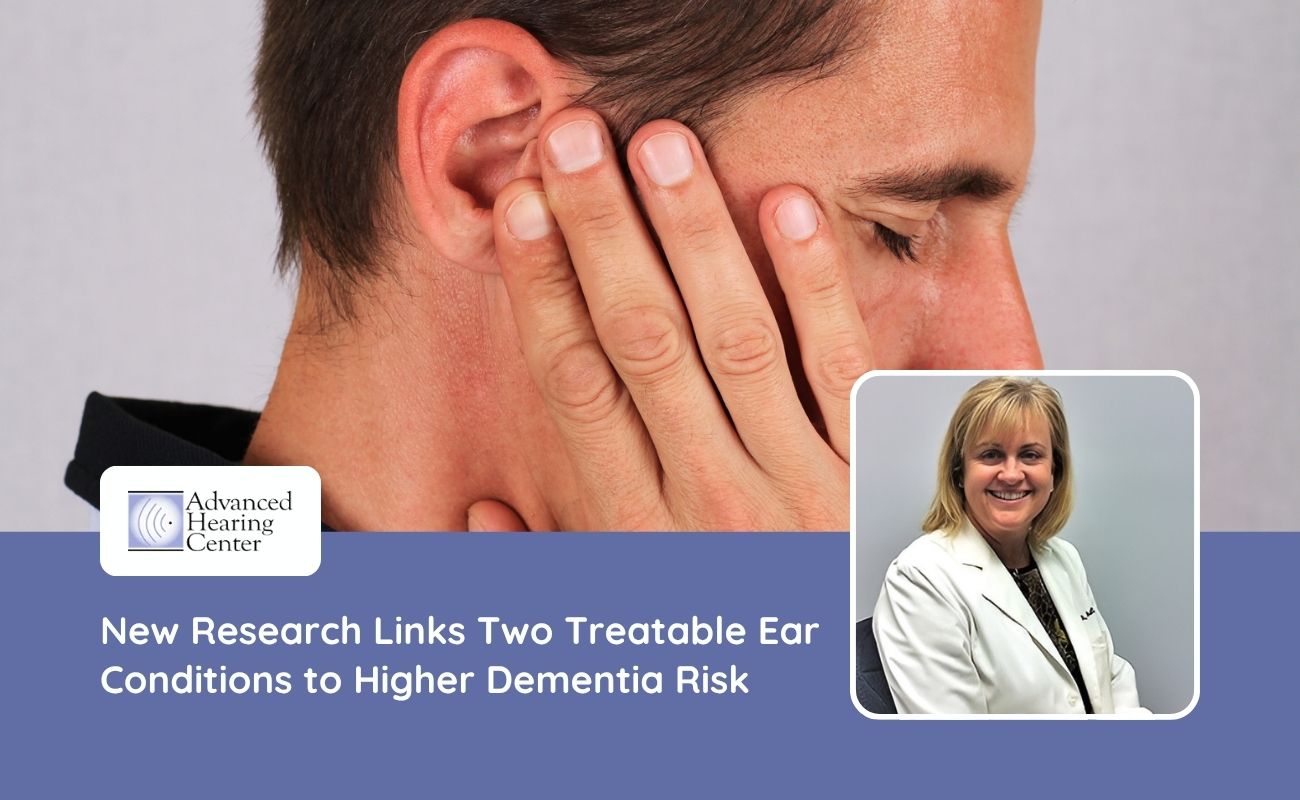
New 2026 research links perforated eardrums and cholesteatoma to significantly higher dementia odds, with surgical treatment appearing to reduce that association.
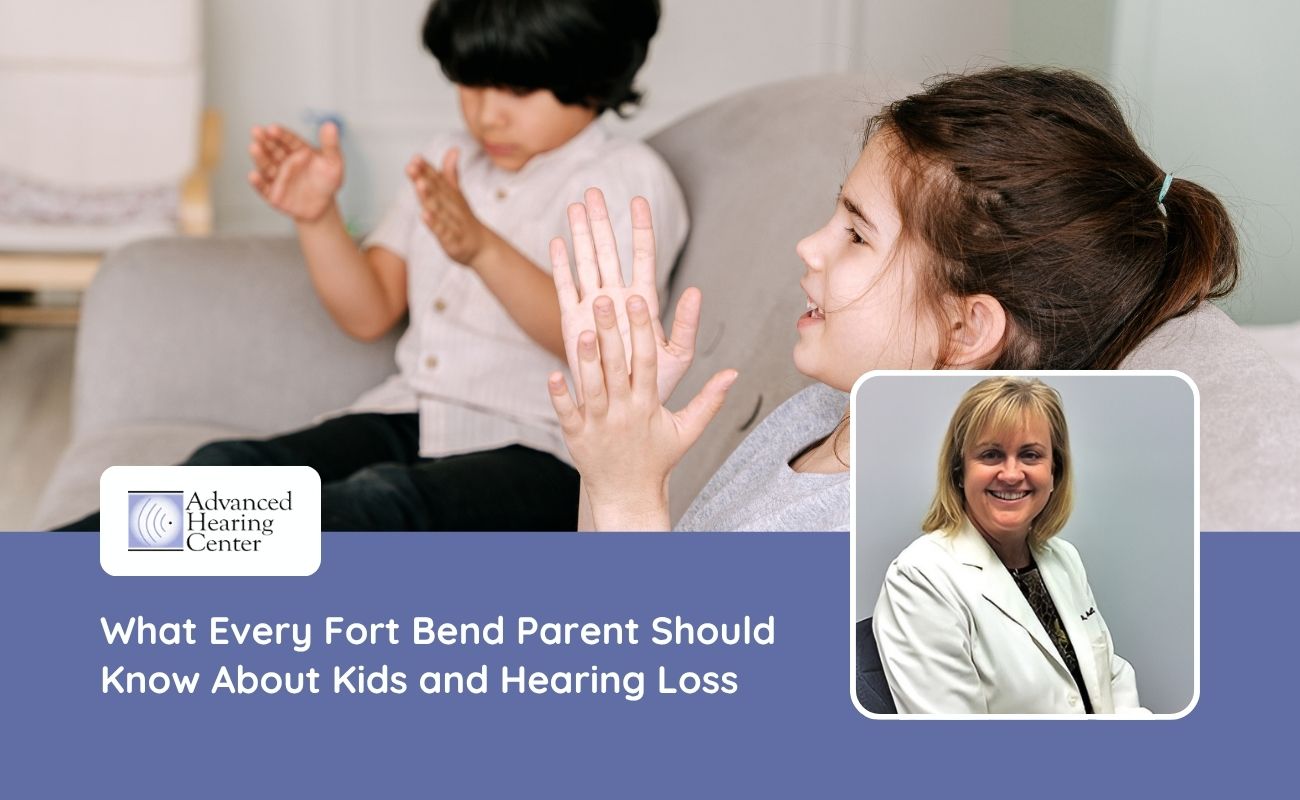
Childhood hearing loss often goes undetected until it affects learning, making early pediatric evaluations essential for catching subtle problems school screenings miss.
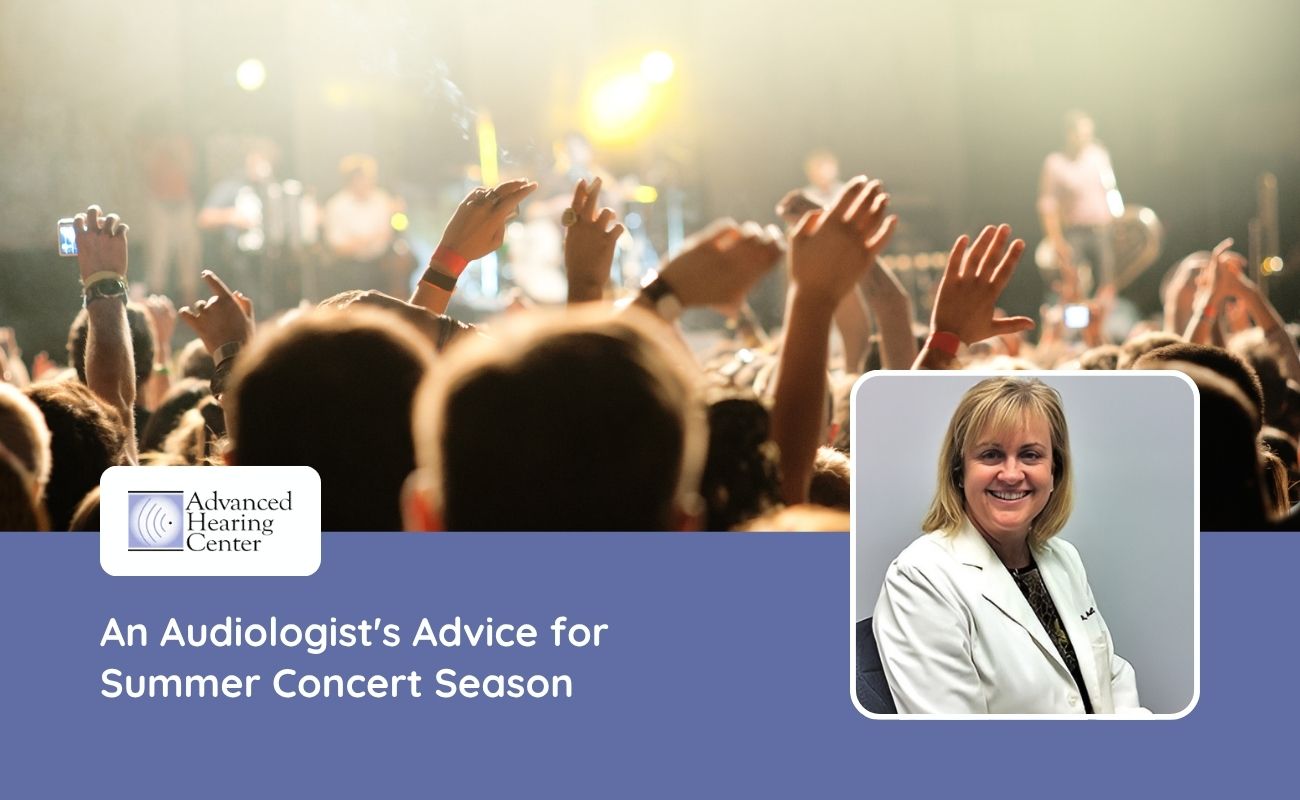
Custom high-fidelity earplugs protect concert-goers from irreversible noise-induced hearing loss while preserving full, clear sound quality throughout the show.


