

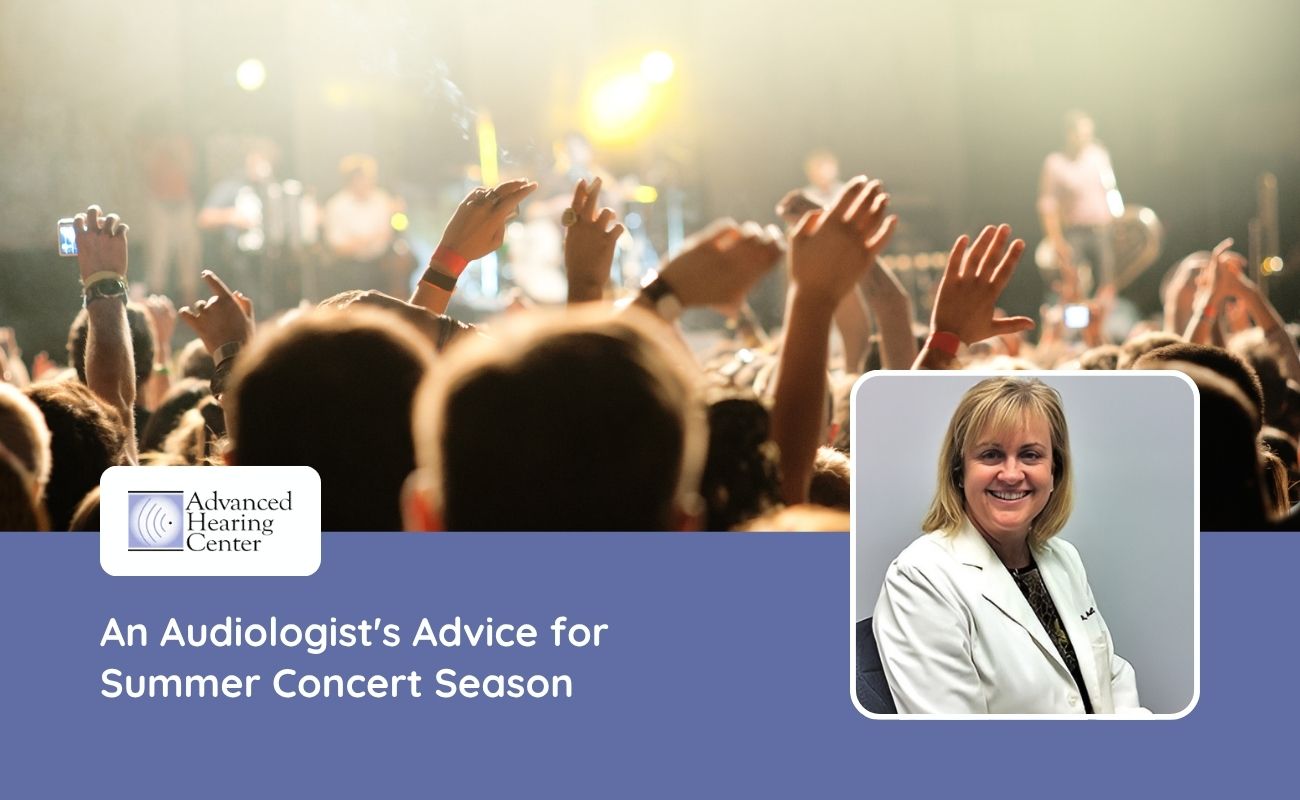
Concert season is here, and if you're in the Houston area, the calendar is filling up fast — outdoor festivals, stadium shows, live music venues. Such a great time of year as music is one of life's great pleasures. The last thing we want is for a night out to cost you something you can't get back. Here's what we see too often at our Sugar Land office: patients who spent years going to concerts, then gradually notice their hearing getting fuzzy, their ears ringing after shows, or sounds not coming in as crisp as they used to. By the time they make an appointment, the damage has been building for a while. It really doesn’t have to be that way.
Most live concert venues land somewhere between 100 and 115 decibels — and some go higher during peak moments. At 100 dB, your ears can sustain damage in as little as 15 minutes of unprotected exposure. Your inner ear contains tiny hair cells that convert sound into signals your brain can understand. Those cells don't grow back. Once they're gone, they're gone. The tricky part is that the damage happens quietly — you might feel fine after a show, or notice only a brief ringing that fades by morning. That doesn't mean nothing happened.
Those foam plugs from the gas station or stadium gift shop do block sound, but not evenly. They cut the high frequencies the most, so you end up with a muffled, bass-heavy version of the music. Vocals get buried. Instruments lose their clarity. Most people pull them out within the first few songs because the experience feels so degraded — and honestly, that's understandable. If you can't hear the music properly, what's the point? The problem is that skipping protection altogether is where the real damage happens.
Custom concert earplugs work differently. They're designed to lower the overall volume without messing with the frequency balance. What you hear sounds like the actual mix — just quieter. Vocals stay clear, the highs come through, and you can have a conversation between songs without shouting. Musicians have relied on this technology for decades because they need to protect their hearing across a career's worth of loud performances while still being able to hear themselves and the rest of the band clearly. That same protection is available to anyone. At Advanced Hearing Center, we take precise ear impressions and help you choose the right filter level — whether you're a regular concert-goer, someone who plays in a band, or just heading to a few big shows this summer.
If your ears ring after a concert — even for just a few hours — don't brush it off. That ringing, buzzing, or hissing sound is called tinnitus, and it's a sign your auditory system has been under stress. For most people, it fades after an occasional loud event. For others, it doesn't. Repeated noise exposure is one of the most common causes of chronic tinnitus. Once it becomes persistent, managing it takes real work. We offer tinnitus treatment at our Sugar Land office, but prevention is always the easier road. The ringing isn't a badge of honor from a great show — it's your ears sending you a warning.
If you've been going to concerts for years without protection, or you've noticed any changes in how you hear — certain sounds seem muffled, conversations feel harder to follow, you're turning up the TV more than you used to — a hearing test is a smart next step. A baseline test gives us a clear picture of where your hearing stands right now. That's useful for catching early changes and for tracking things over time. It's a simple appointment, and the information it gives you is genuinely valuable.
You don't have to choose between protecting your ears and enjoying live music. You just have to be a little intentional about it — and getting the right protection in place before the summer rush is the easiest way to do that. Advanced Hearing Center is located at 1223 Lake Pointe Pkwy in Sugar Land, serving patients throughout Fort Bend County and the greater Houston area. We offer custom-fit hearing protection, tinnitus evaluations, and comprehensive hearing tests all in one place. Call us at (281) 491-0200 to schedule a consultation. Enjoy every show this summer — just enjoy it safely.
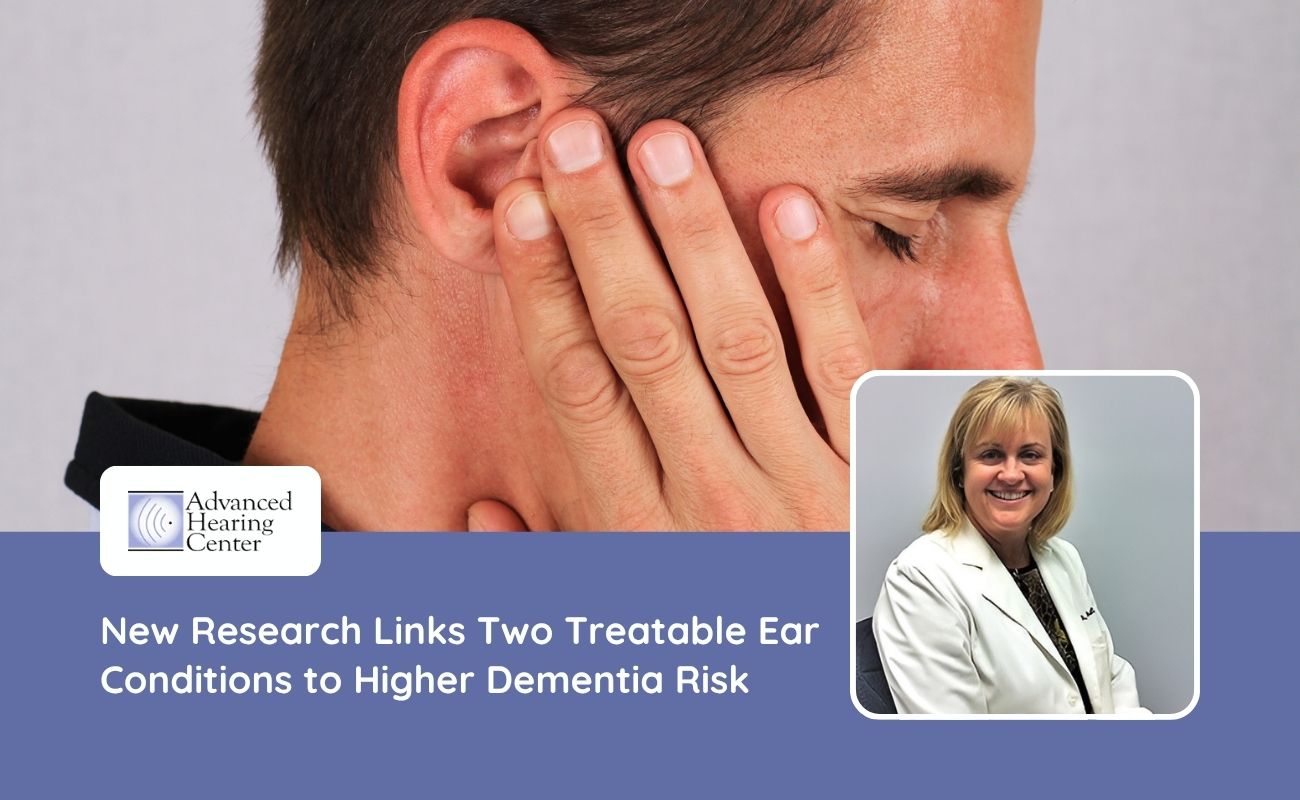
New 2026 research links perforated eardrums and cholesteatoma to significantly higher dementia odds, with surgical treatment appearing to reduce that association.
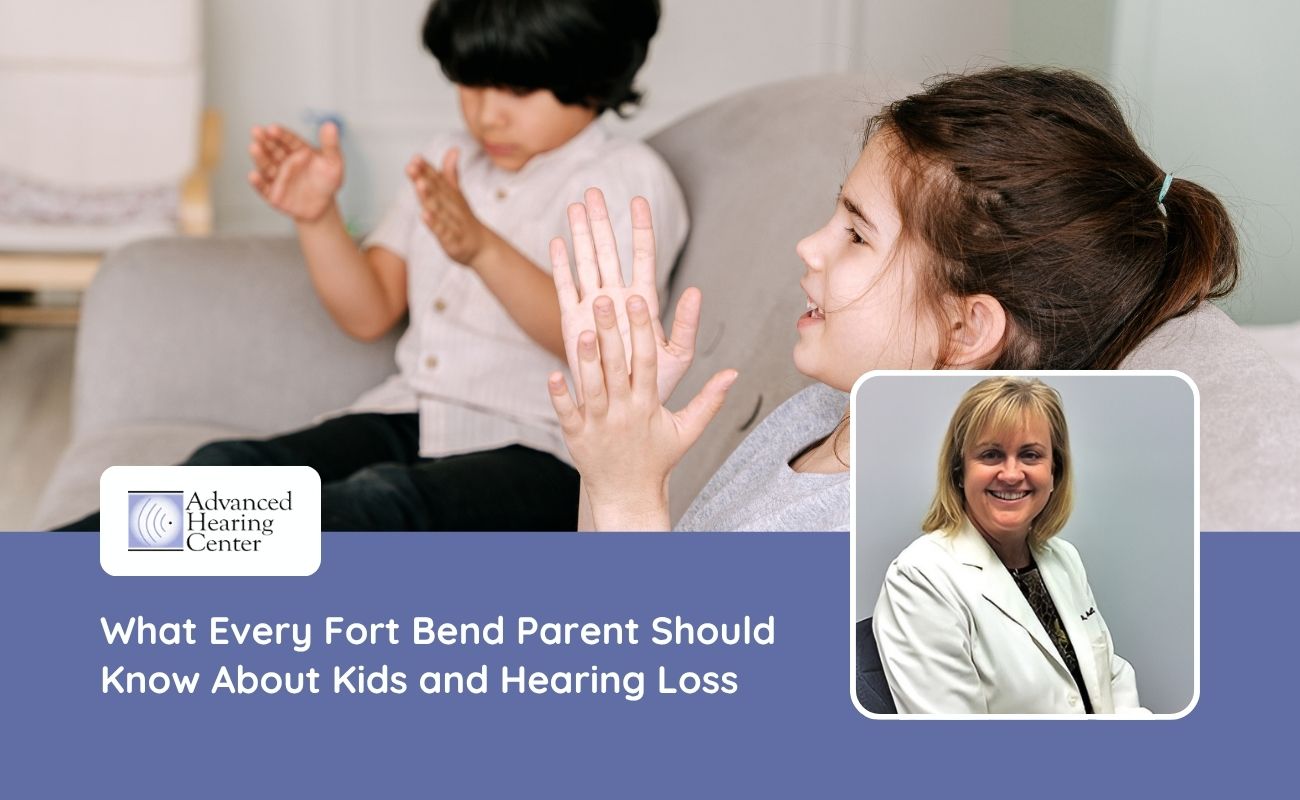
Childhood hearing loss often goes undetected until it affects learning, making early pediatric evaluations essential for catching subtle problems school screenings miss.
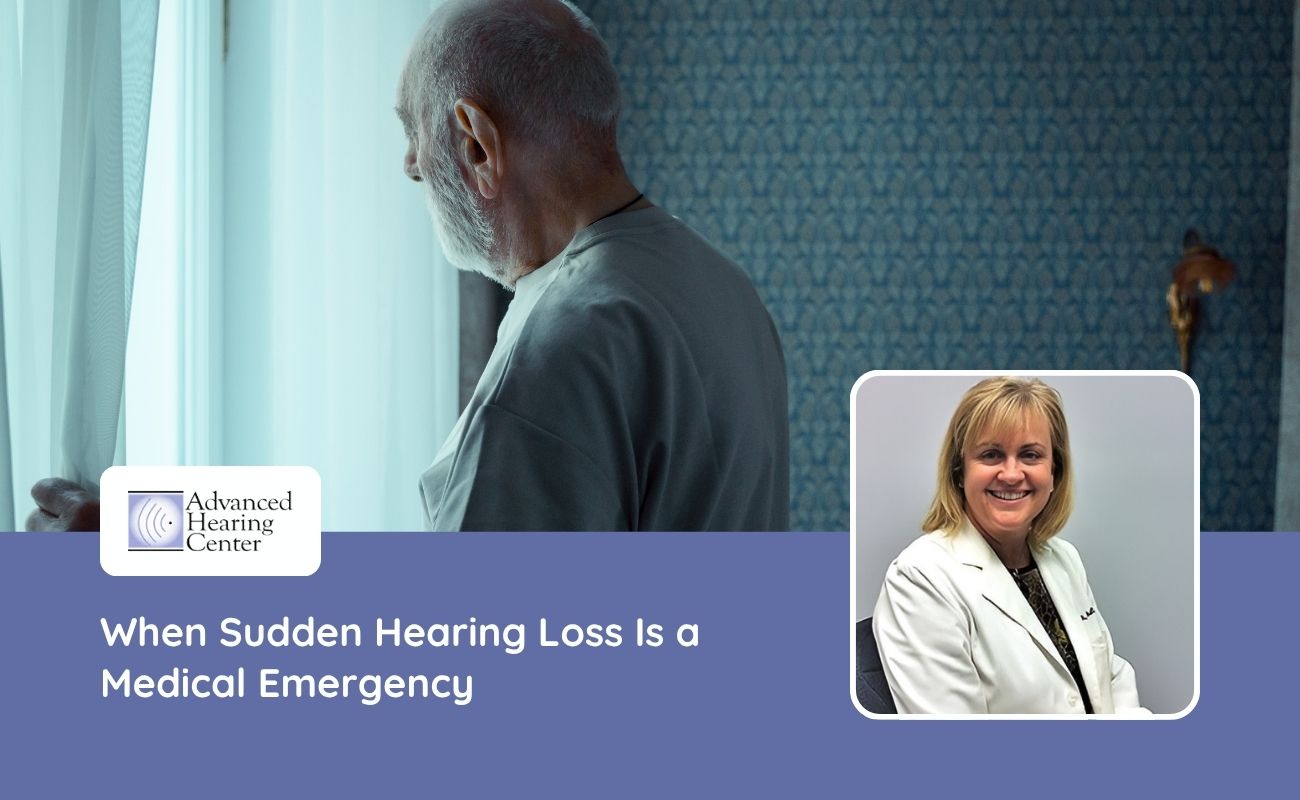
Sudden hearing loss in one ear is a medical emergency requiring immediate treatment, as the recovery window is only days, not weeks.


