

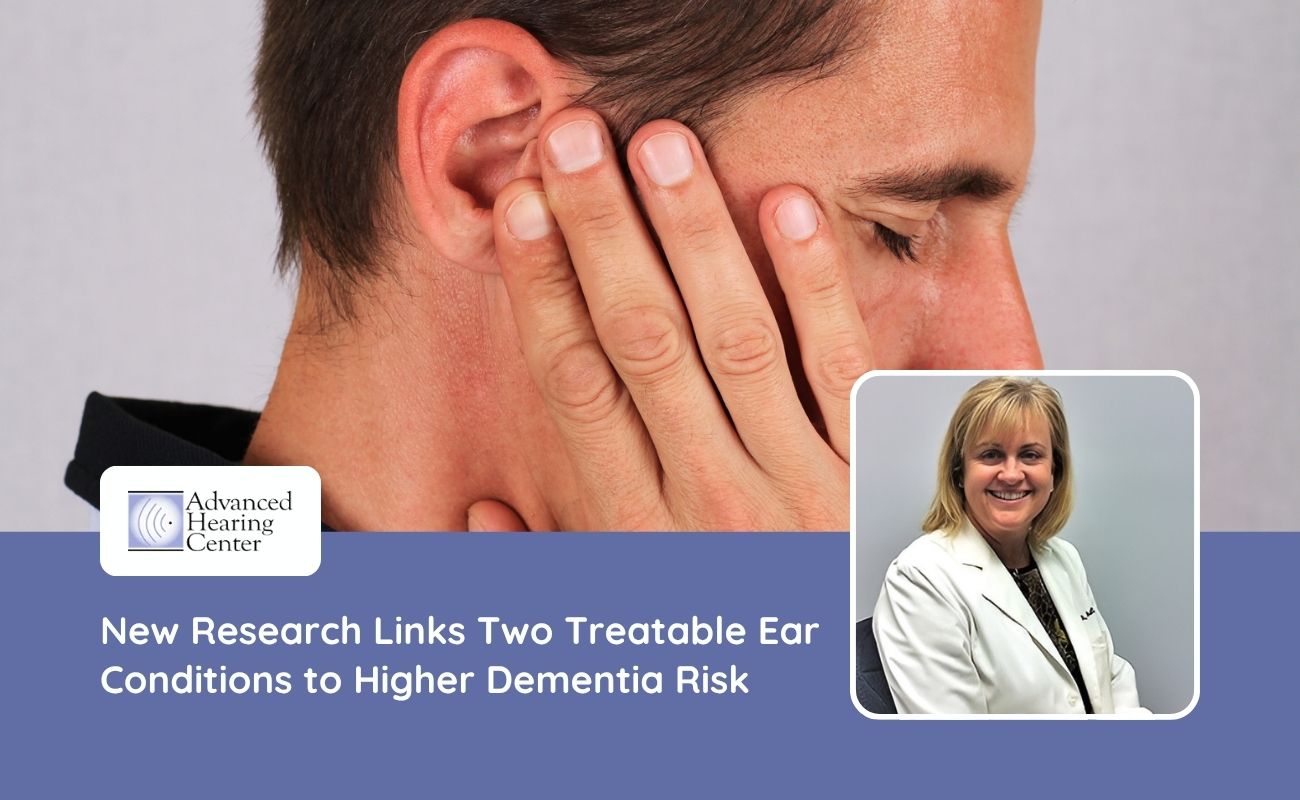
A perforated eardrum. Recurring ear infections. For most people, these show up as an annoyance, something you deal with for a while and move past. New research suggests they might be worth more attention than that, especially when it comes to long-term brain health.
Researchers from Columbia University and the University of Utah looked at data from more than 363,000 participants in the NIH All of Us Research Program. Their focus was on conductive hearing loss, the kind caused by physical problems in the outer or middle ear rather than damage to the inner ear or auditory nerve.
The results, published in Otolaryngology–Head and Neck Surgery in 2026 and announced by the American Academy of Otolaryngology-Head and Neck Surgery in April, found that people with a perforated eardrum had more than twice the odds of dementia compared to those without one. People with cholesteatoma, a type of skin growth that can develop behind the eardrum, had nearly twice the odds.
Otosclerosis, a different condition involving abnormal bone growth in the middle ear, showed no significant link to dementia in this study. That distinction matters. This isn't a case of "any ear problem raises your risk." The pattern points to something more specific about how certain conditions affect the ear, and possibly the brain.
Here's where the study gets genuinely useful instead of just alarming. When the researchers accounted for whether cholesteatoma had been surgically treated, the link to dementia stopped being statistically significant. Hearing aid use also appeared to lessen the association for both conditions.
None of this means treatment prevents dementia. Research at this stage can't say that, and we wouldn't claim it. What it does suggest is that addressing these ear conditions may reduce the risk connection researchers are seeing, rather than the conditions being harmless as long as you can still hear well enough to get by.
Audiologists have been watching this space for years. There's a well-established body of research connecting untreated hearing loss in general to a higher likelihood of cognitive decline. The leading theories involve the brain working harder to fill in gaps in sound, less social engagement when conversations become exhausting, and reduced auditory input over time changing how the brain processes information.
What's newer here is the specificity. This study isn't just saying "hearing loss and dementia are connected" again. It's identifying particular conductive conditions, the kind that often show up first as a nuisance rather than a crisis, and tying them to measurable differences in dementia odds. A perforated eardrum from an old injury or a chronic infection that never quite got resolved isn't just a hearing issue sitting in the background. It may be part of a bigger picture.
If you've had a perforated eardrum for years and just adjusted to hearing a little differently out of that ear, this is worth a second look. Same goes for anyone who's had repeated ear infections that never got fully addressed, or who suspects something structural might be going on.
We're audiologists, not ear surgeons, so we won't be the ones performing any surgical repair a specific condition might need. What we can do is evaluate what's happening with your hearing, help you understand whether a conductive issue might be at play, and refer you to the right ENT specialist when surgery or further medical treatment is the right next step. From there, if hearing aids are part of your path forward, we handle that piece too.
An earwax buildup can sometimes mimic or mask a conductive issue, which is one more reason not to guess at what's going on with your own ears. A proper hearing evaluation sorts out what's actually happening.
Dr. Terry Davis Snook and our team at Advanced Hearing Center have spent decades helping patients in Sugar Land and Fort Bend County get real answers about their hearing, not just a quick fix. If you've been living with an old ear injury, a history of ear infections, or you're researching on behalf of a parent who has, we'd rather help you figure out what's going on now than have you wonder about it for another decade.
Give us a call at (281) 491-0200 to schedule a hearing evaluation. We'll take the time to look at the full picture, and if a referral to an ENT specialist is the right move, we'll help get you there.
Source: Powell SD, Weinstein HNW, Tucker LH, Denham MW, Gurgel RK, Golub JS. "Conductive Hearing Loss Pathologies are Associated With Dementia in the All of Us Research Program." Otolaryngology–Head and Neck Surgery, 2026.
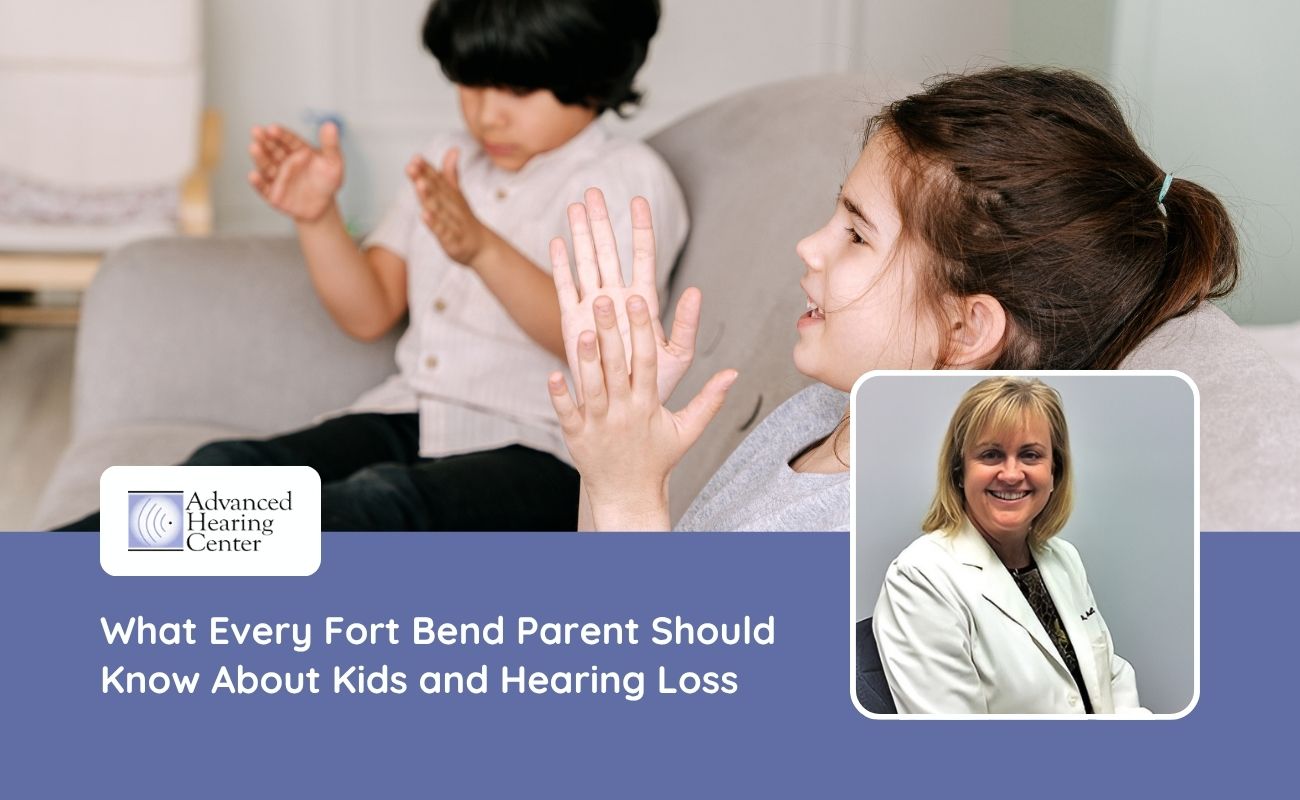
Childhood hearing loss often goes undetected until it affects learning, making early pediatric evaluations essential for catching subtle problems school screenings miss.
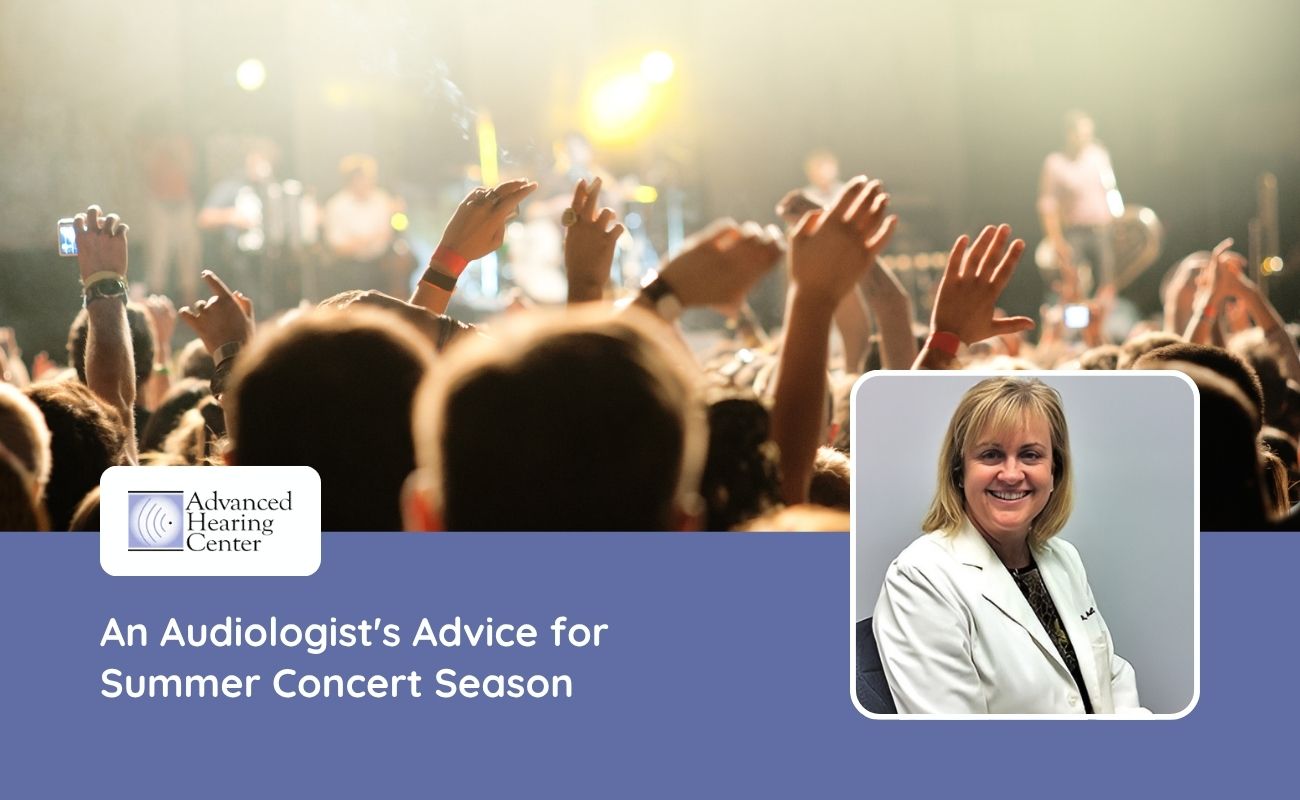
Custom high-fidelity earplugs protect concert-goers from irreversible noise-induced hearing loss while preserving full, clear sound quality throughout the show.
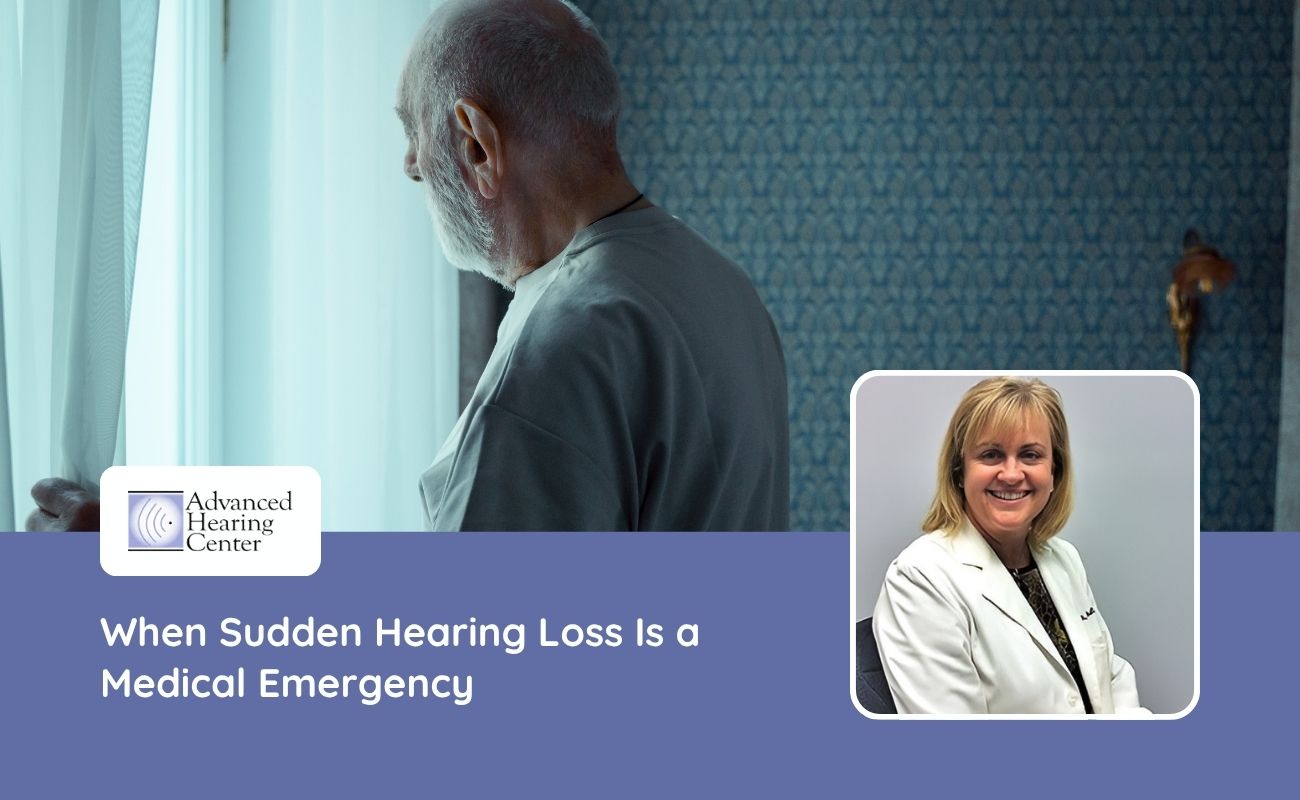
Sudden hearing loss in one ear is a medical emergency requiring immediate treatment, as the recovery window is only days, not weeks.


