

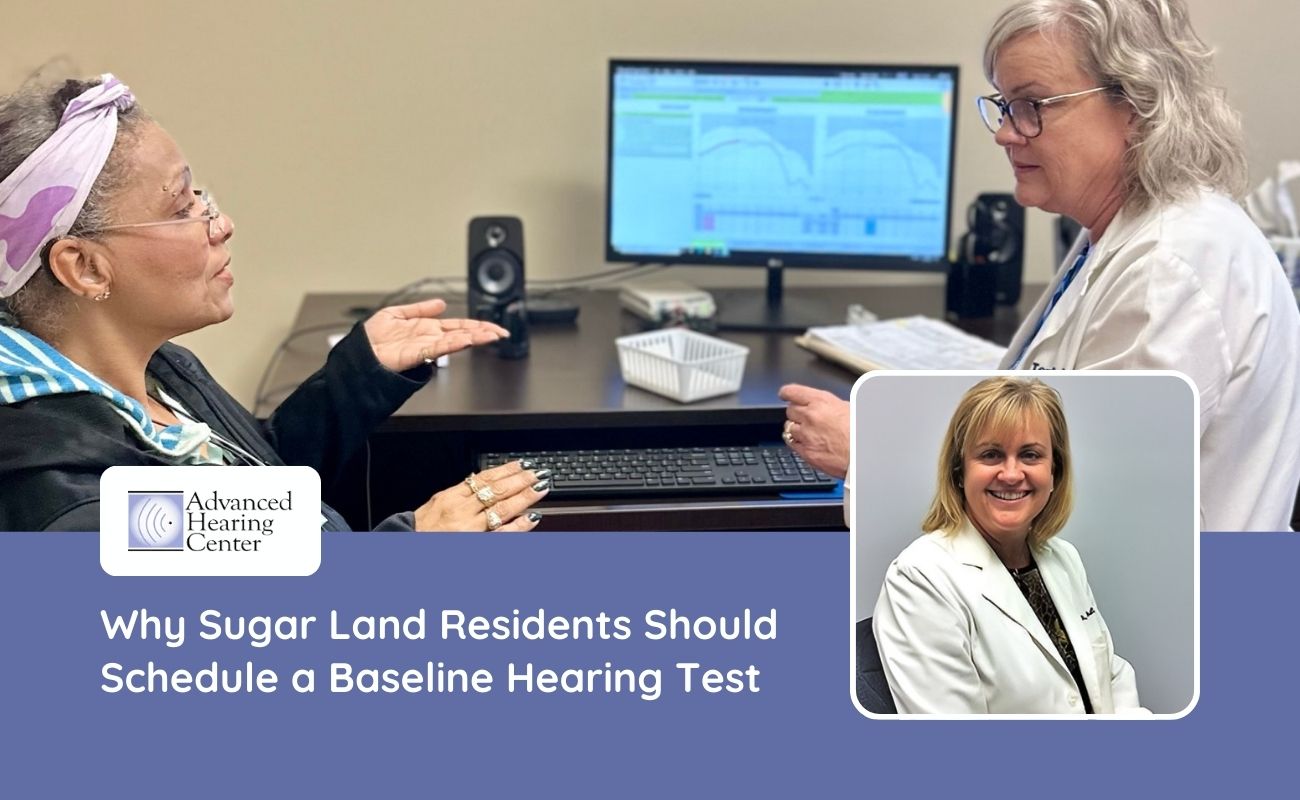
Recent medical research has strengthened the connection between hearing health and cognitive function, making 2026 an important year to establish your hearing baseline. New Medicare policies and emerging studies about hearing loss prevention create a compelling case for proactive hearing assessment.
The relationship between hearing loss and cognitive decline has moved from theory to documented evidence. A January 2026 study published in JAMA Neurology found that hearing aid use in patients under 70 reduces dementia risk by 61% over 20 years. This builds on research from Johns Hopkins, which discovered that hearing loss affects nearly 80% of people with Alzheimer's disease and related dementias.
The Norwegian HUNT Study from 2025 revealed that for every 10 dB increase in hearing threshold, cognitive performance declined, particularly in people under age 85. A comprehensive analysis combining data from 50 studies with 1.5 million participants concluded that adult-onset hearing loss increases dementia risk by 16% for each 10-decibel worsening.
Johns Hopkins researcher Carrie Nieman explains: "Hearing is something we can address, making it a potentially modifiable risk factor" for dementia. This research transforms hearing loss from an inevitable part of aging into a manageable health concern with real implications for brain health.
A baseline hearing test establishes your unique hearing profile when your hearing is at its best. Unlike a diagnostic test after you notice problems, a baseline creates a reference point for future comparisons. Hearing loss develops gradually—most people don't recognize significant changes until the condition has progressed considerably.
Without a baseline, we compare your current hearing to age-based population averages rather than your personal history. This makes early detection of subtle changes difficult. When you have a baseline on file, even small shifts in hearing sensitivity become measurable and actionable.
The recommended timing for establishing a baseline is between ages 21-50, providing decades of comparison data as you age. After age 50, testing every 2-3 years helps track any changes, with annual testing becoming standard after age 60.
Having worked in Sugar Land for 20 years, we've watched Fort Bend County grow into one of the most dynamic communities in Texas. With nearly 990,000 residents now calling this area home, we're seeing more families settle here long-term—which makes establishing a hearing baseline even more valuable.
Many of our patients are in their 30s and 40s, right in that ideal window for creating a baseline reference. We're seeing a growing number of residents reaching their 60s and beyond, when tracking hearing changes becomes increasingly important. Having that earlier baseline makes all the difference in catching subtle shifts before they affect daily life.
Our community values education and preventive health—we see this every day in our practice. Fort Bend County residents tend to take a proactive approach to healthcare, and hearing health deserves the same attention we give to annual physicals or dental checkups.
We work with many insurance companies to make hearing care accessible. Our office accepts plans from Aetna, Blue Cross Blue Shield, Cigna, Humana, United Healthcare, Medicare, Medicaid, and others. Most insurance plans cover diagnostic hearing evaluations when medically necessary, making baseline testing affordable for the majority of our patients.
We accept many, but not all, insurance plans from these companies. Before your appointment, we'll verify your coverage and explain your specific benefits during your consultation. For patients without insurance coverage or with high-deductible plans, we offer affordable payment options. We believe finances shouldn't prevent you from getting the hearing care you need.
National statistics underscore the importance of proactive hearing care. Currently, 48 million Americans experience hearing loss, and this number will increase from 44 million in 2020 to an estimated 73 million by 2060. About 15% of adults aged 18 and older report some degree of hearing difficulty.
Despite the prevalence of hearing loss, only 17% of those who could benefit from hearing aids actually use them. People wait an average of 10 years from first noticing symptoms to seeking help. This delay occurs partly because hearing loss is difficult to self-detect in its early stages, and partly because many people don't realize how much modern technology has improved.
Hearing loss develops subtly, making professional assessment necessary for early detection. Most people notice hearing problems only after family members comment repeatedly or when the condition interferes with daily activities. By that point, the hearing loss has typically progressed significantly.
We use calibrated equipment to measure hearing sensitivity across different frequencies. We can detect mild hearing loss that wouldn't be noticeable in daily life but represents the beginning of a progressive condition. Real ear measurements verify that hearing aids, when prescribed, are providing appropriate amplification based on your individual ear canal acoustics and hearing loss pattern.
The combination of new research linking hearing to cognitive health and growing awareness of hearing loss prevalence makes 2026 an important year for establishing your hearing baseline. Scheduling a baseline hearing test now creates a valuable reference point for future comparisons. This proactive approach allows for early intervention if changes occur, potentially protecting both your hearing and cognitive function over the long term.
At Advanced Hearing Center, Dr. Snook and our team use the latest diagnostic equipment to establish accurate baselines and provide personalized recommendations based on your hearing profile. Our facility is designed to make hearing assessment comfortable and convenient for Fort Bend County residents. Contact us at (281) 491-0200 to schedule your baseline hearing test and take a proactive step toward protecting your hearing health in 2026.
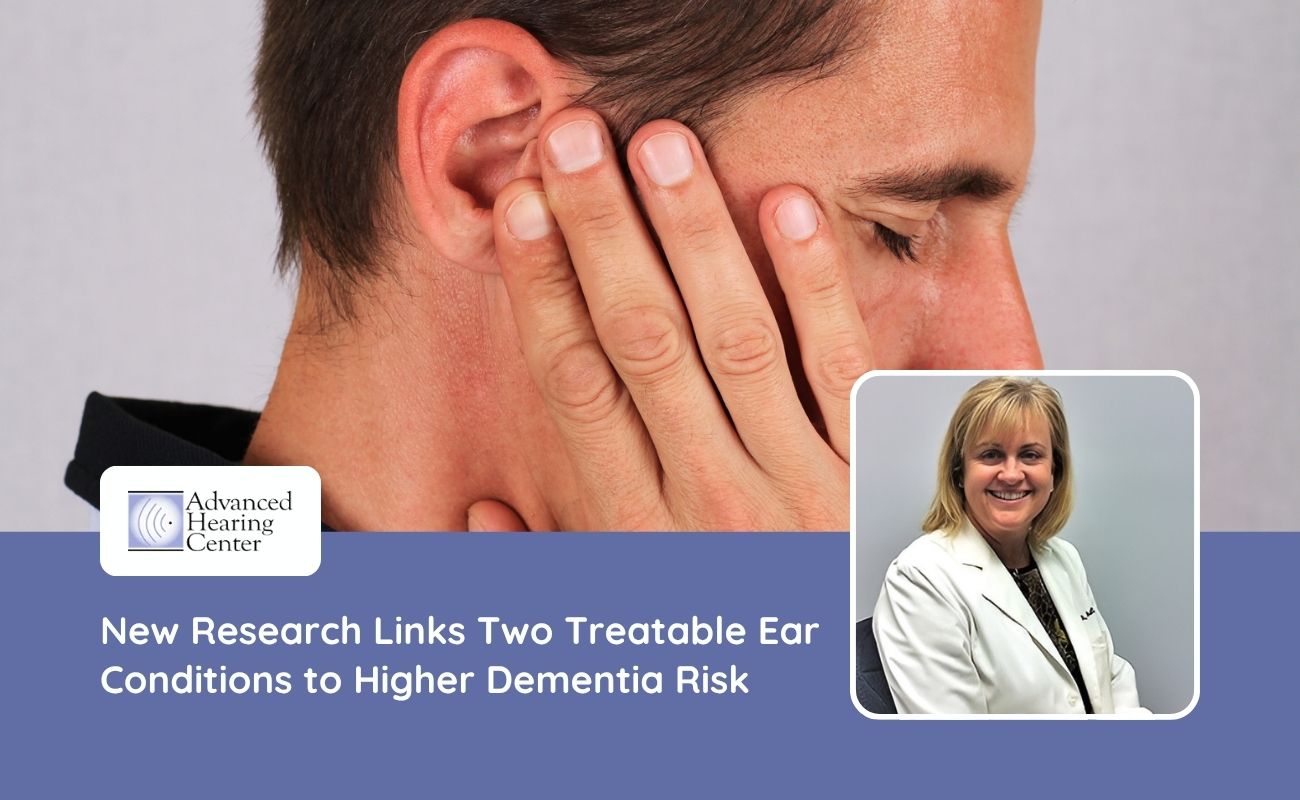
New 2026 research links perforated eardrums and cholesteatoma to significantly higher dementia odds, with surgical treatment appearing to reduce that association.
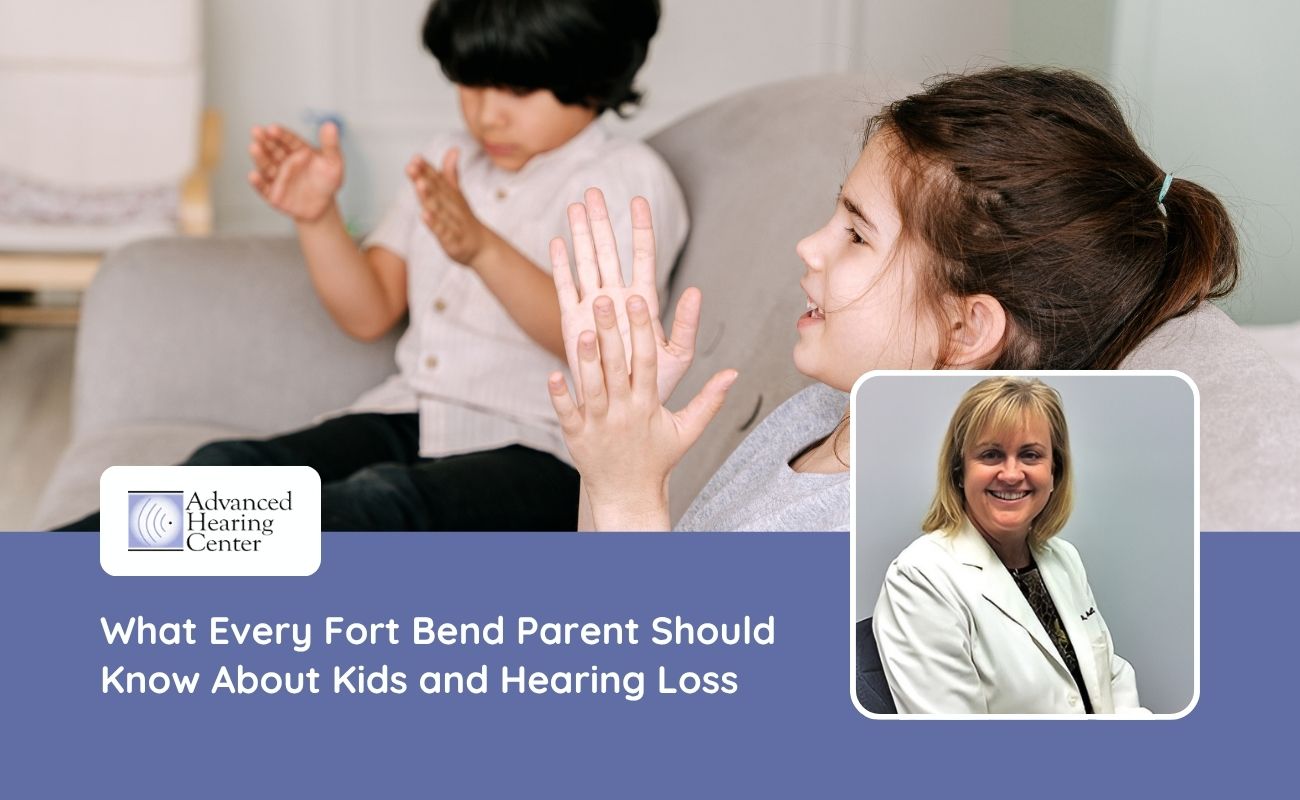
Childhood hearing loss often goes undetected until it affects learning, making early pediatric evaluations essential for catching subtle problems school screenings miss.
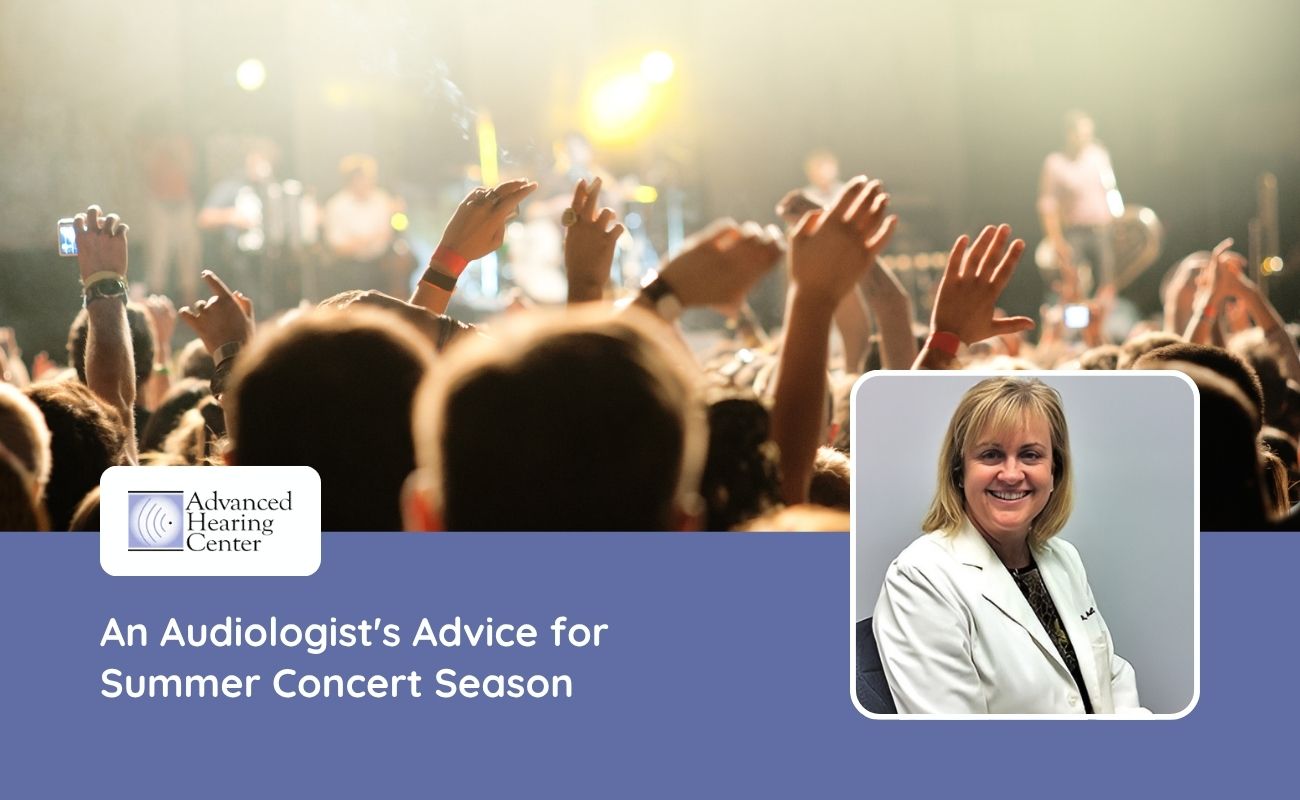
Custom high-fidelity earplugs protect concert-goers from irreversible noise-induced hearing loss while preserving full, clear sound quality throughout the show.


